

For 15 years, Cefalo has recruited developers in Dhaka for Norwegian technology companies. CEO Petter Gustafson notices one recurring pattern among clients.
– Clients don’t choose us simply because we are more cost effective than local hires, but because they experience that they get the very best people – and because they get to keep them for a long time, he says.
Founder Per Einar Myklebust agrees. When a developer stays on the same Norwegian team for 8, 10 or even 12 years, a unique kind of value is created.
– They become part of the core of the client’s culture. Our developers know the product, the history, the technical decisions, the mistakes and the learning, Myklebust adds.
So how does Cefalo manage this? One of the key answers lies in the recruitment model.
Always build the team around the client
Cefalo finds the client first and builds the team after. Sometimes there is a good match between the skills a new client needs and developers who are already employed at Cefalo. Other times, recruitment is done specifically for both the role and the client.
When a client approaches Cefalo with a need, the initial meetings focus on roles and needs. The recruitment team goes through technical requirements, expectations, collaboration style, maturity and personality types in detail.
– We always start by understanding what the client really needs. It’s about technical competence, but also who this person will work with. It’s a holistic assessment, says HR Manager Jawwad Rabbi at the Dhaka office.
A large number of applicants
Today, Cefalo is a well-known name among developers in Bangladesh. Not because they are a large company, but because of their reputation: Quality, security and strong professional environments.
– Many developers know us from before, some are referred to us by friends, and a lot of candidates have visited our office through university visits, seminars and graduate programs, Jawwad explains.
This gives Cefalo a large pool of applicants, but also allows them to be highly selective.
– We say «no» far more often than we say yes. We are always looking for the candidate who fits the client both technically and as a person. If the main motivation is salary or the possibility of moving on to a purely remote job, it’s not a good match. We recruit for the long term.
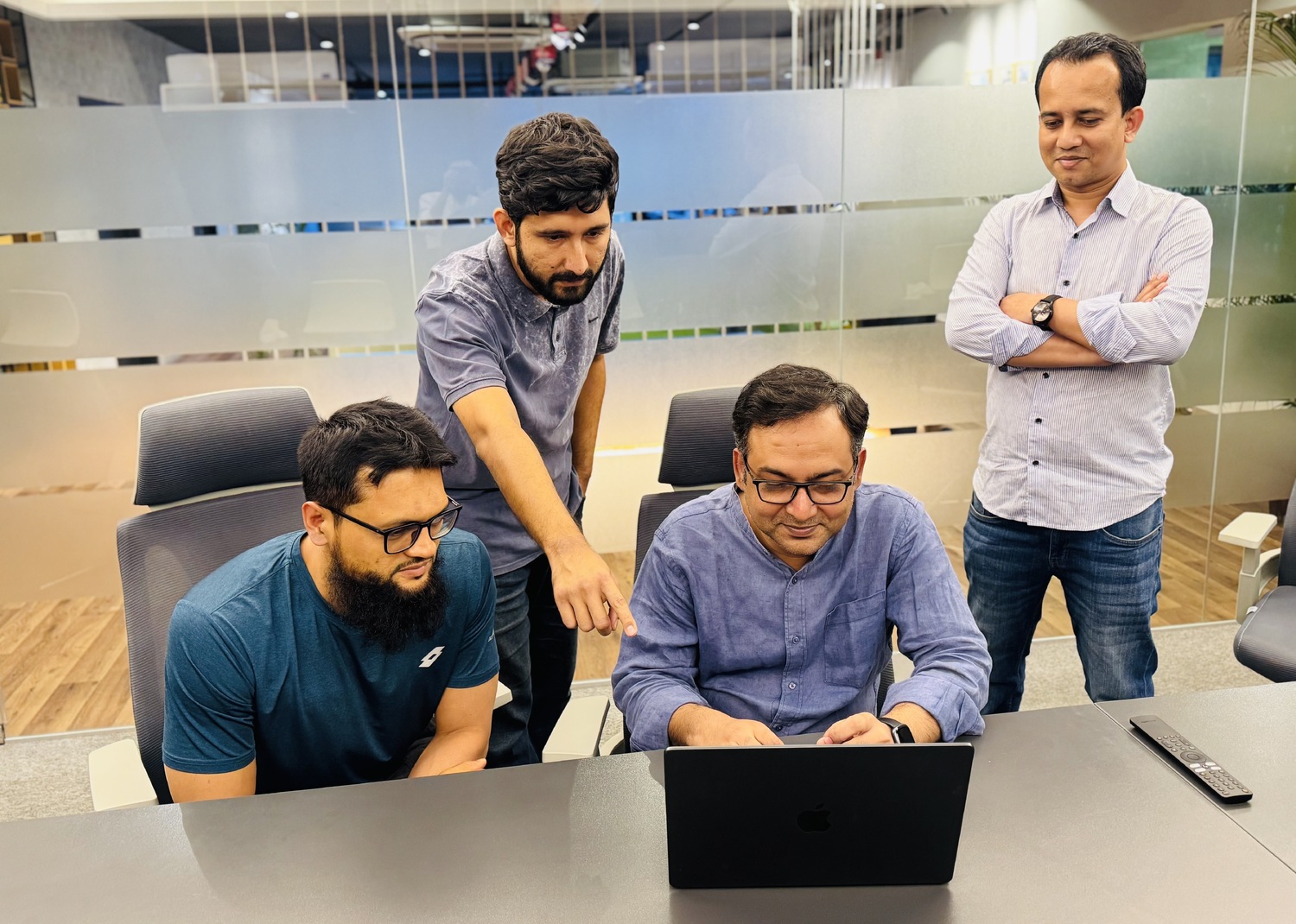
WHEN TIME DIFFERENCS IS A PRO: One of the advantages of having a team of developers in Dhaka, is that with the right planning you can have 12 hours of development a day.
A technical test that creates confidence
Candidates who pass the needle´s eye are invited to complete a technical test. The atmosphere is intentionally calm and welcoming.
– We want candidates to feel relaxed, says Jawwad. – We give them plenty of space, avoid having them run into other candidates, and offer coffee and food. When people lower their shoulders, we get a much better impression of what they are actually capable of.
The tests are conducted on HackerRank and provide objective results. If the candidate moves through, they get a more thorough technical interview.
Dobee chose a junior team
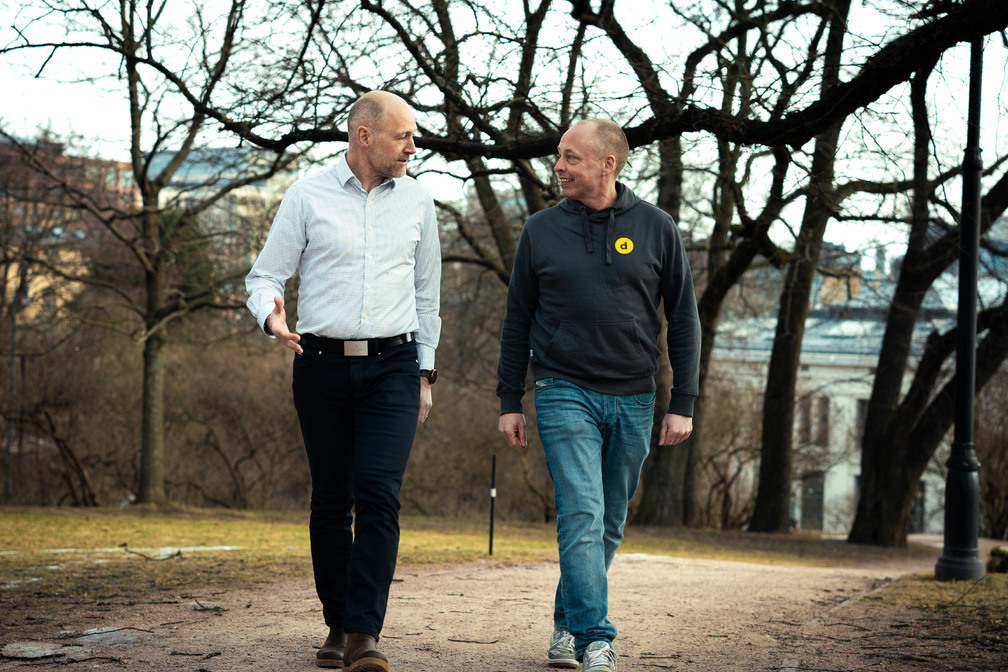
A fresh junior team with a strong team lead was the perfect solution for start-up Dobee.
The technical interview: expertise, reasoning and collaboration
The technical interview is always conducted by at least three people. No one at Cefalo hires alone.
– At this stage, we want to evaluate real technical competence: How the candidate reasons and assesses different situations. We also look at how they collaborate, solve problems and handle pressure, explains Ferdous M. Shaon, Managing Director in Dhaka.
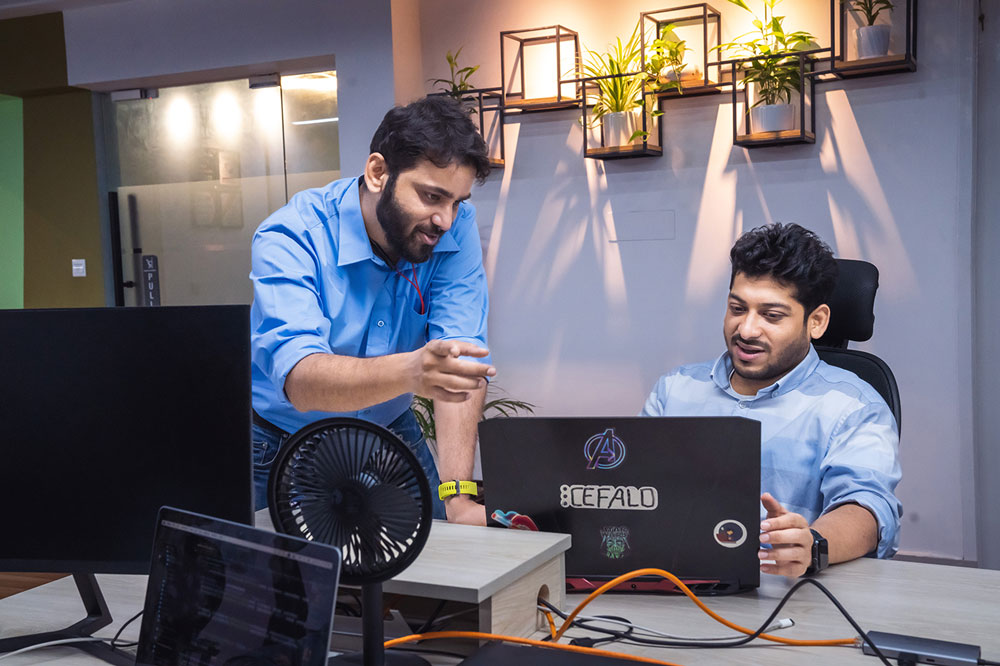
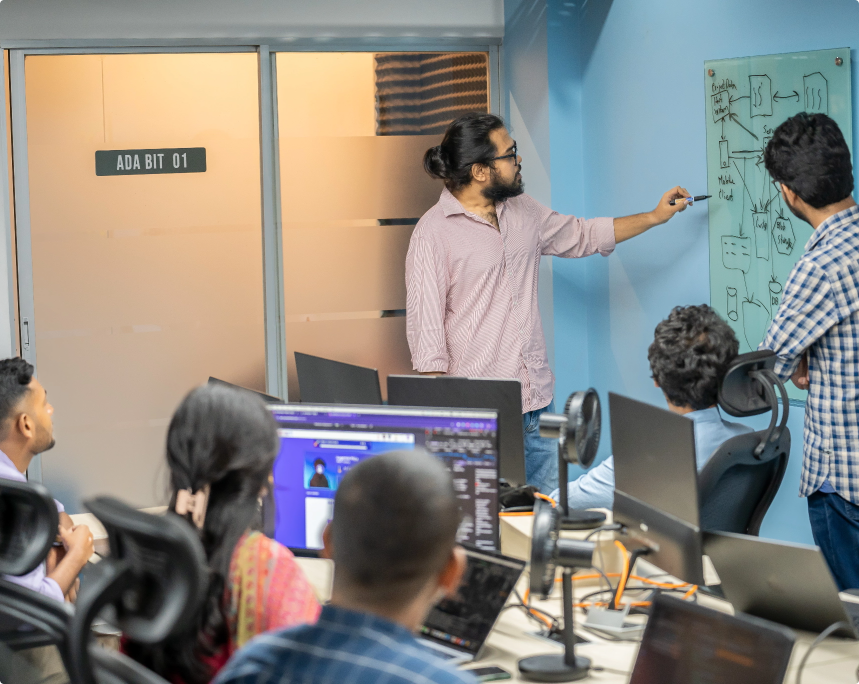
A TEAM LEAD GUIDES THE WAY: Developers need a team lead to guide them and stay in close contact with the client. Team leads have to have great communication skills, especially at Cefalo where we work across borders, languages and code.
The concluding (and decisive) culture interview
Once technical quality has been confirmed, the focus shifts to the person behind the code. The interview process concludes with the heart of the Cefalo model: The culture interview.
– In this part of the process, we try to understand the person, not the CV, Jawwad explains. – What motivates them? How do they learn? How do they work in teams?
Shaon adds:
– We don’t just hire developers. We hire people who will represent Cefalo in Norwegian teams. They need to be confident, open and collaborative. That’s one of the reasons people stay with us for so long.
A personality assessment is used as a supplement, providing additional insight into how the developer can best be supported and led.
The Client’s Final Step: A Last Confidence Check
Left with a handful of top candidates, the client gets to meet them. One-on-one conversations are set up between the developer and the client. The client has the final, and decisive word, before a potential hire.
For most clients, this stage is about confirmation. As one client recently put it:
– We didn’t really need this final round. You had already found the right person.
Why developers stay for years
Several of Cefalo’s developers have been with the company for more than eight years. In the interview series The People Behind the Code, they describe a work life that is safe, social and professionally challenging.
– When we started, Cefalo was a small company in an apartment. It was hard to attract people because no one knew us. Today, we have a strong reputation, and engineers know that we have good clients and great people. But competition has also increased dramatically. We’re not just competing with local companies, but with global players offering fully remote roles or very high salaries.
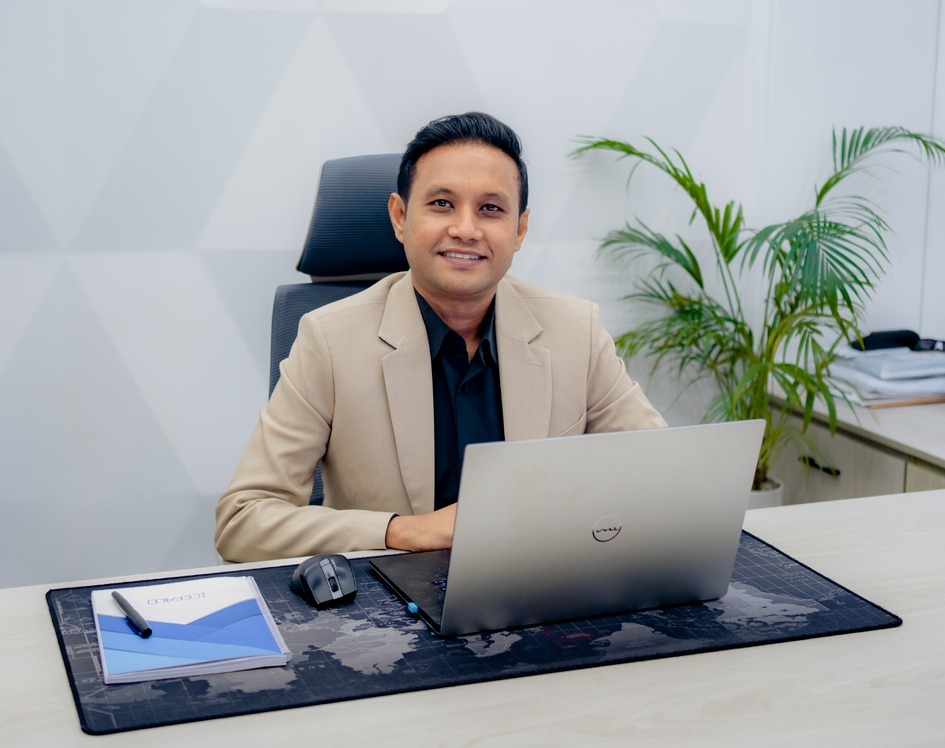
Still, many choose to stay at Cefalo.
– Because we offer something different. A work environment where people thrive, feel seen and are part of a genuine community. That can’t be bought with a higher salary somewhere else, Shaon adds.
Culture at the core
In practice, Cefalo consists of around 40 small teams working for 40 different Norwegian clients. That could easily have led to fragmentation, but it hasn’t.
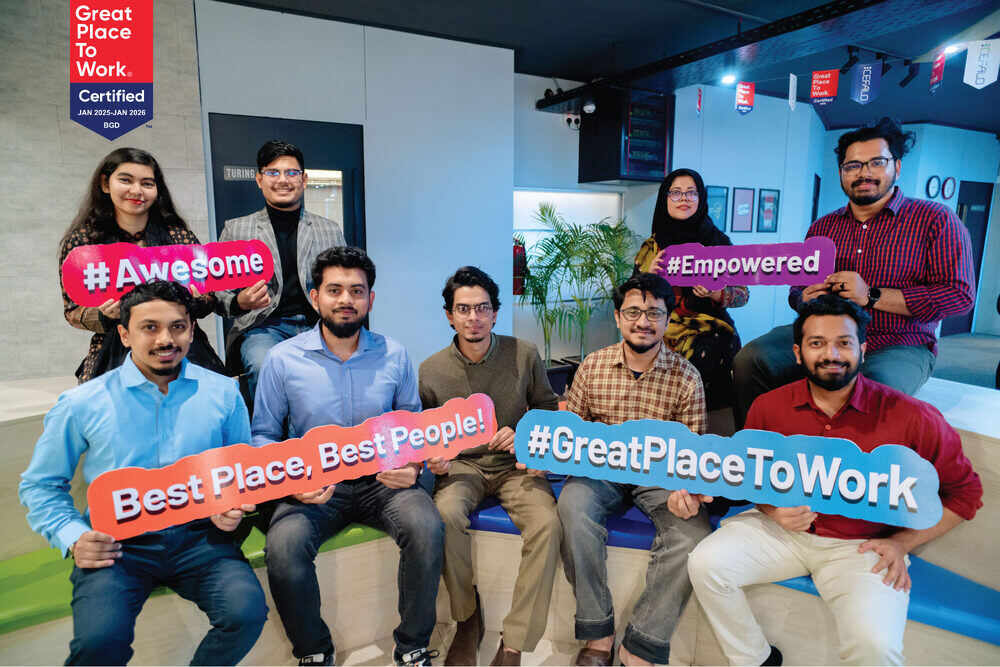
– We work very consciously to build one shared Cefalo, Shaon explains. – We organise trips, celebrations, game nights, professional days and events where people meet across teams. The goal is that you always feel part of one larger community, regardless of which Norwegian client you work for.
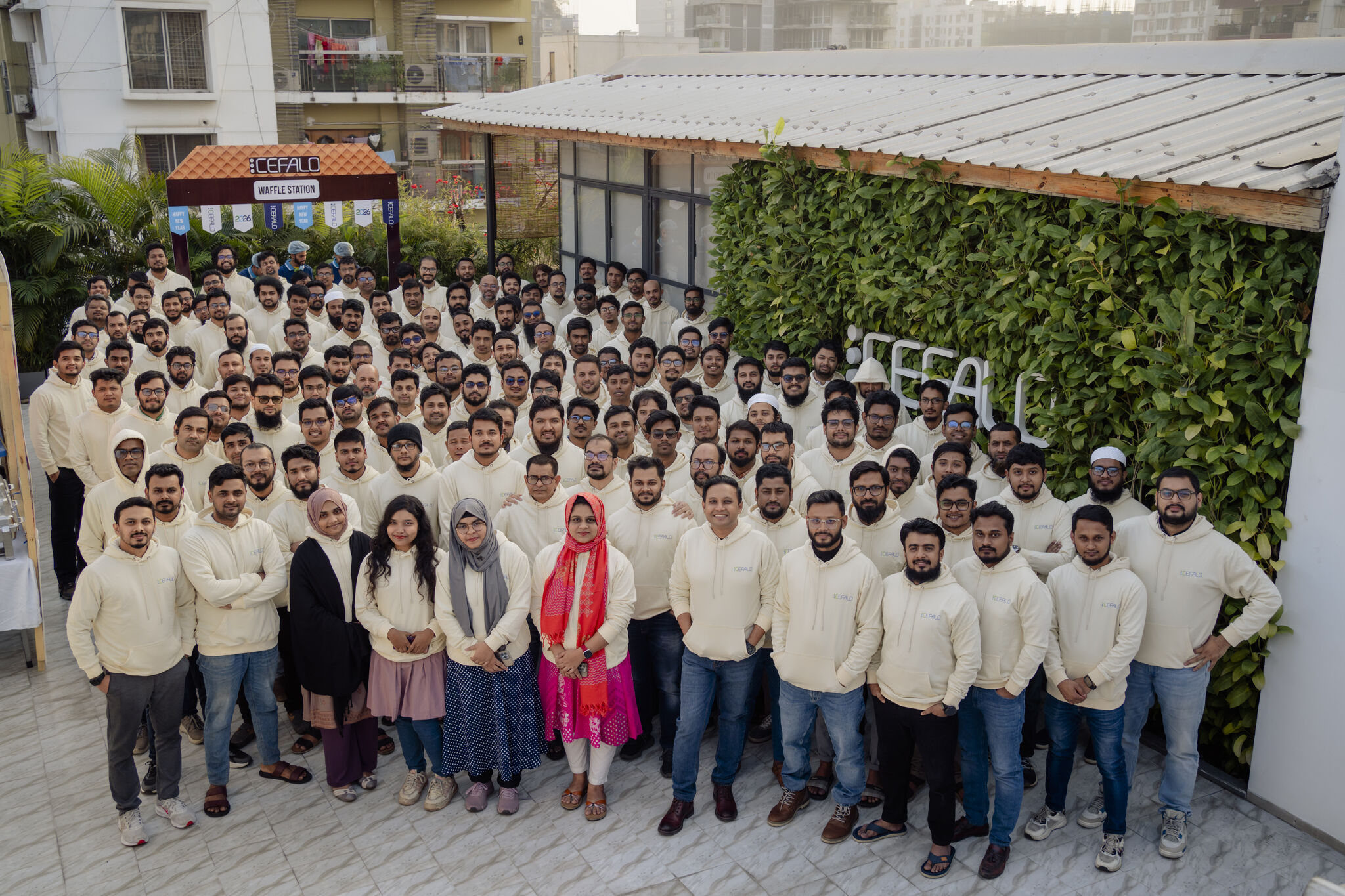
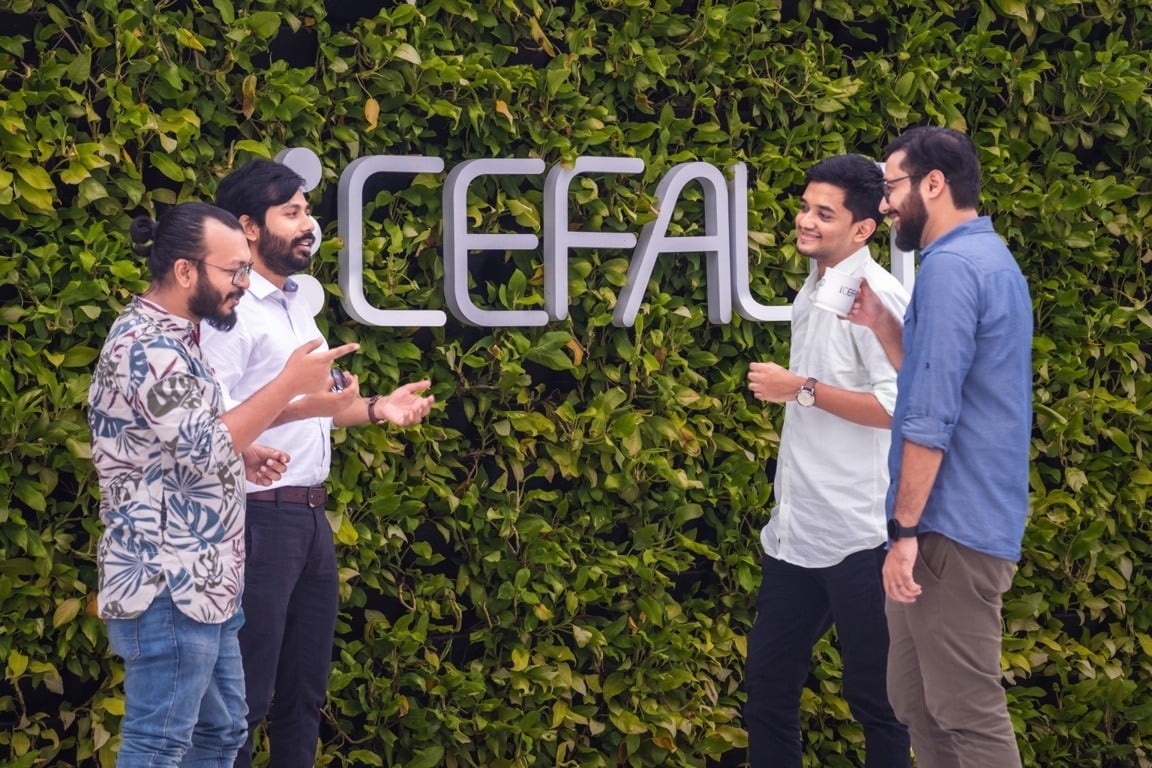
SEVERAL CLIENT TEAMS, ONE CEFALO: Building a strong Cefalo culture is at the core of our business.
For clients, this results in two valuable consequences: Less turnover and higher quality. When a developer stays on the same team for several years, something special happens. The company gains continuity – not only in the code, but in product understanding, history, culture and relationships.
Several Norwegian clients have said the same thing:
– Developers from Cefalo stay longer than our own Norwegian employees.
That may be the greatest vote of confidence Cefalo can receive.
Want to see references?
We have a lot of different clients, but they are all happy. You can read their testimonials in our library.

Curious about external development? We would love to talk to you!

Written by Jens Wahlberg